This is a space for thoughtful explorers and evidence-minded pioneers
4 Ferroptosis and ARDS progression 4.1 Oxidative stress and ROS amplification Oxidative stress is a hallmark of ARDS and plays a pivotal role in driving ferroptosis
If you have sensitive skin, a history of allergic reactions, or are pregnant or breastfeeding, you should consult with a medical professional before undergoing The Perfect Derma Peel
This service is not intended to diagnose, treat, cure, or prevent any disease
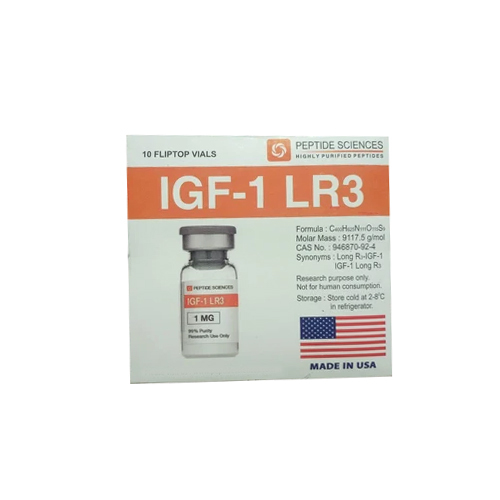
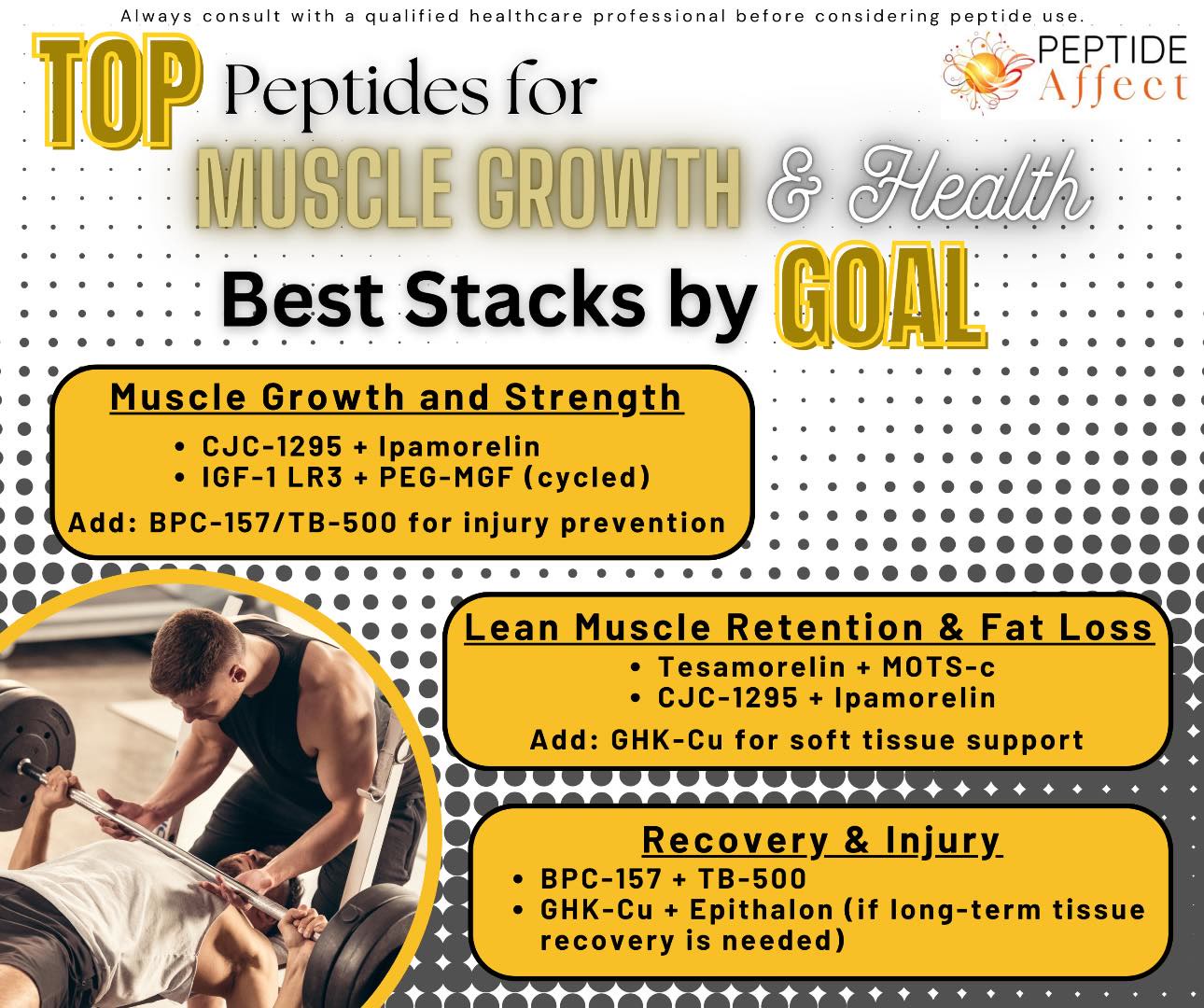
Strength gains by peptide protocol Beginner protocol (CJC/Ipa only): 3 months: 10-15% strength increase 6 months: 15-25% strength increase Muscle gain: 5-10 lbs Intermediate protocol (GH + BPC-157): 3 months: 15-20% strength increase 6 months: 20-30% strength increase Muscle gain: 8-15 lbs Advanced protocol (IGF-1 + full stack): 6 weeks (single IGF-1 cycle): 15-20% strength increase 4-6 months (multiple cycles): 30-50% strength increase Muscle gain: 15-25 lbs Factors affecting results: Training quality (progressive overload essential) Nutrition (caloric surplus for strength gains) Sleep (7-9 hours nightly) Training experience (beginners gain faster) Genetics Age (older athletes may see bigger relative improvements) Comparison to natural training Natural strength gains (optimal training and nutrition): Beginner: 20-30% strength increase in first year Intermediate: 10-15% per year Advanced: 5-10% per year With peptides: Accelerated timeline (compress 12 months into 6) Higher ceiling (surpass natural potential) Better recovery allows more volume Peptides don't replace training: Still need progressive overload Proper programming essential Nutrition must support gains Peptides enhance but don't replace fundamentals Safety and side effects for strength protocols Peptides are generally safe but require awareness

Over time, such events place pressure on the labrum, which might eventually cause injuries called labrum tears