Additionally, analogues containing the quinolinium scaffold lacked inhibitory activity against enzymes in the NAD + salvage pathway that bind nicotinamide-containing substrate, including NAMPT[27, 32] and the NAD + -dependent SIRT1 enzyme, which deacetylates NAD + to produce NA, a product inhibitor of SIRT1.[33] These results suggest that quinolinium-based NNMT inhibitors achieve selectivity by specifically interacting with the NA-binding pocket of NNMT,[17] unlike several known non-selective methyltransferase inhibitors that interact with the SAM-binding pocket, which is highly conserved among SAM-dependent methyltransferases.[34, 35] Membrane-permeable NNMT inhibitors reduced intracellular 1-MNA levels in a concentration-dependent manner and at pharmacologically relevant concentrations that did not impact cell viability, suggesting these small molecules interact directly with NNMT in cells
Which form (and whether either is right for you) is decided with your provider based on your goals and health history not something to guess at from a forum
A: BP-grade bacteriostatic water is the most widely referenced solvent in published protocols
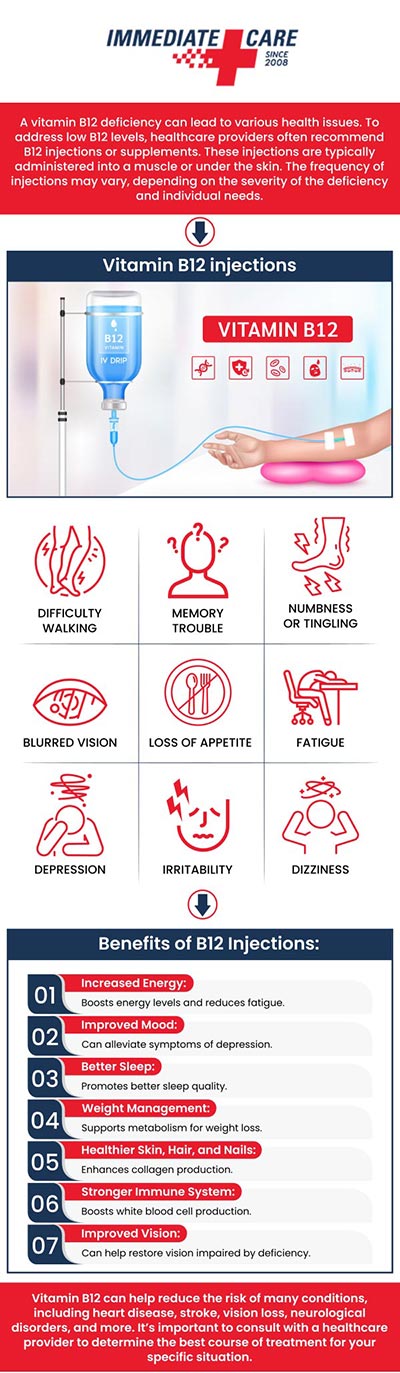
The usual frequency for intramuscular doses of B12 shots is every 10 days, followed by maintenance doses at varying intervals
"Inherited and acquired vitamin B12 deficiencies: Which administration route to choose for supplementation?"
B12 injections can help strengthen the immune system, making it easier for the body to ward off illness