Nasal administration may actually require higher quality standards since contamination would contact sensitive nasal mucosa rather than subcutaneous tissue that handles minor contamination more readily

The most important drug classes to review in any burning feet workup: Chemotherapy agents: Taxanes (paclitaxel, docetaxel), platinum compounds (cisplatin, oxaliplatin), and vincristine produce chemotherapy-induced peripheral neuropathy (CIPN) in 3040% of treated patients Fluoroquinolone antibiotics: Ciprofloxacin, levofloxacin FDA black box warning for peripheral neuropathy that may be permanent Metronidazole: Prolonged use associated with peripheral neuropathy Statins: Rare but documented association with peripheral neuropathy in some patients Metformin: Indirectly via B12 depletion (see above) Amiodarone, isoniazid, thalidomide: Additional agents with established neuropathy risk Burning feet symptoms requiring urgent evaluation New or worsening burning feet in a diabetic patient neuropathy progression, needs A1c optimization and ulcer risk assessment Burning feet with systemic symptoms: weight loss, fatigue, night sweats possible malignancy or systemic disease Rapidly progressive bilateral burning with leg weakness Guillain-Barr syndrome or other acute neuropathy, emergency evaluation Burning feet with episodes of red, hot, swollen feet relieved by cold erythromelalgia, needs hematologic workup Burning feet plus balance problems or falls large fiber neuropathy or CNS cause, neurology referral warranted Diagnosis: The Workup We Run Our standard evaluation for burning feet syndrome in the podiatric setting: detailed history (diabetes status, medications, alcohol use, diet, B12 risk factors, symptom distribution and timing)
Q: Can I use the same 5-Amino-1MQ dosage for different animal species
Whipples disease
cup of trashcan punch = 410 drinks, depending on ingredients
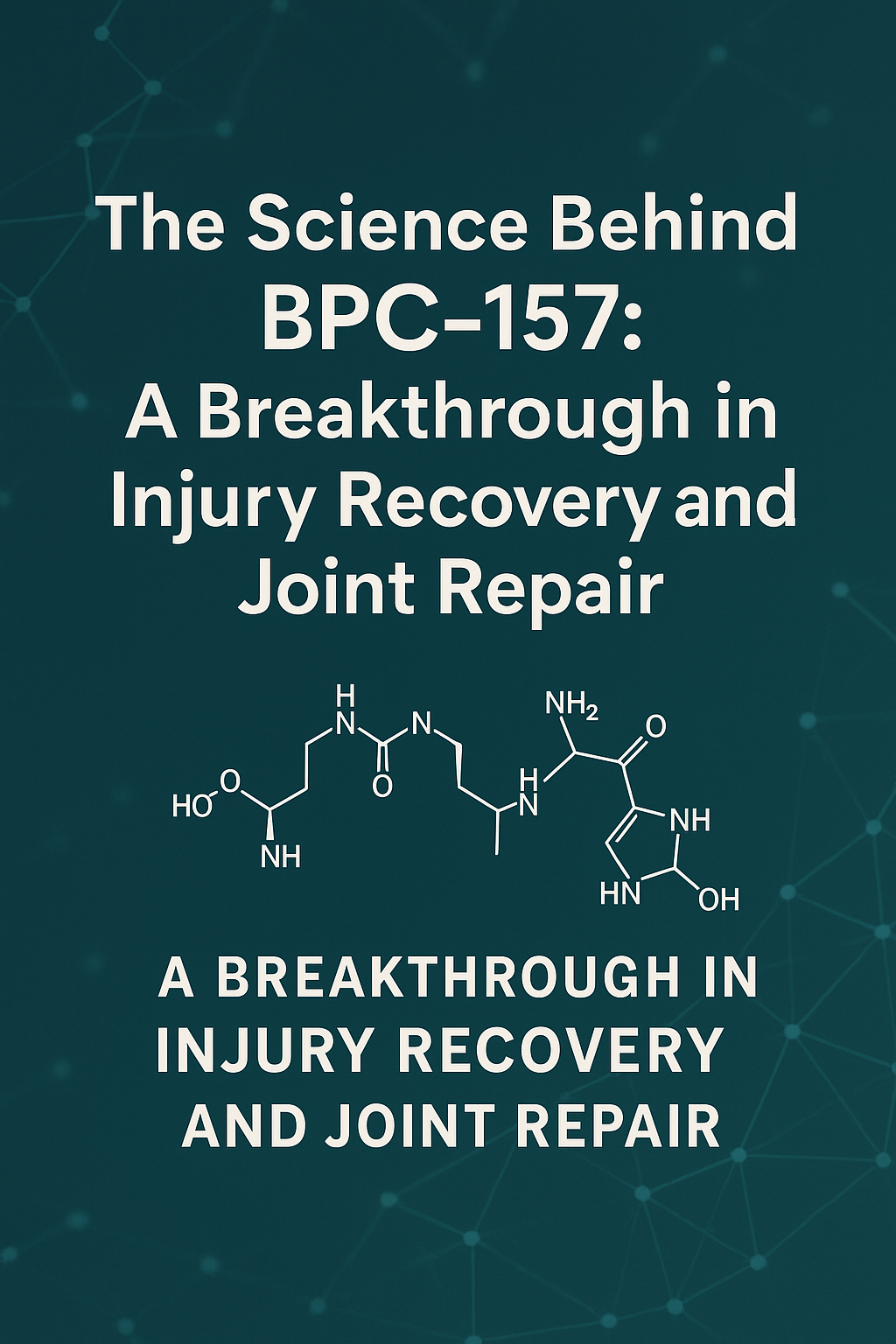
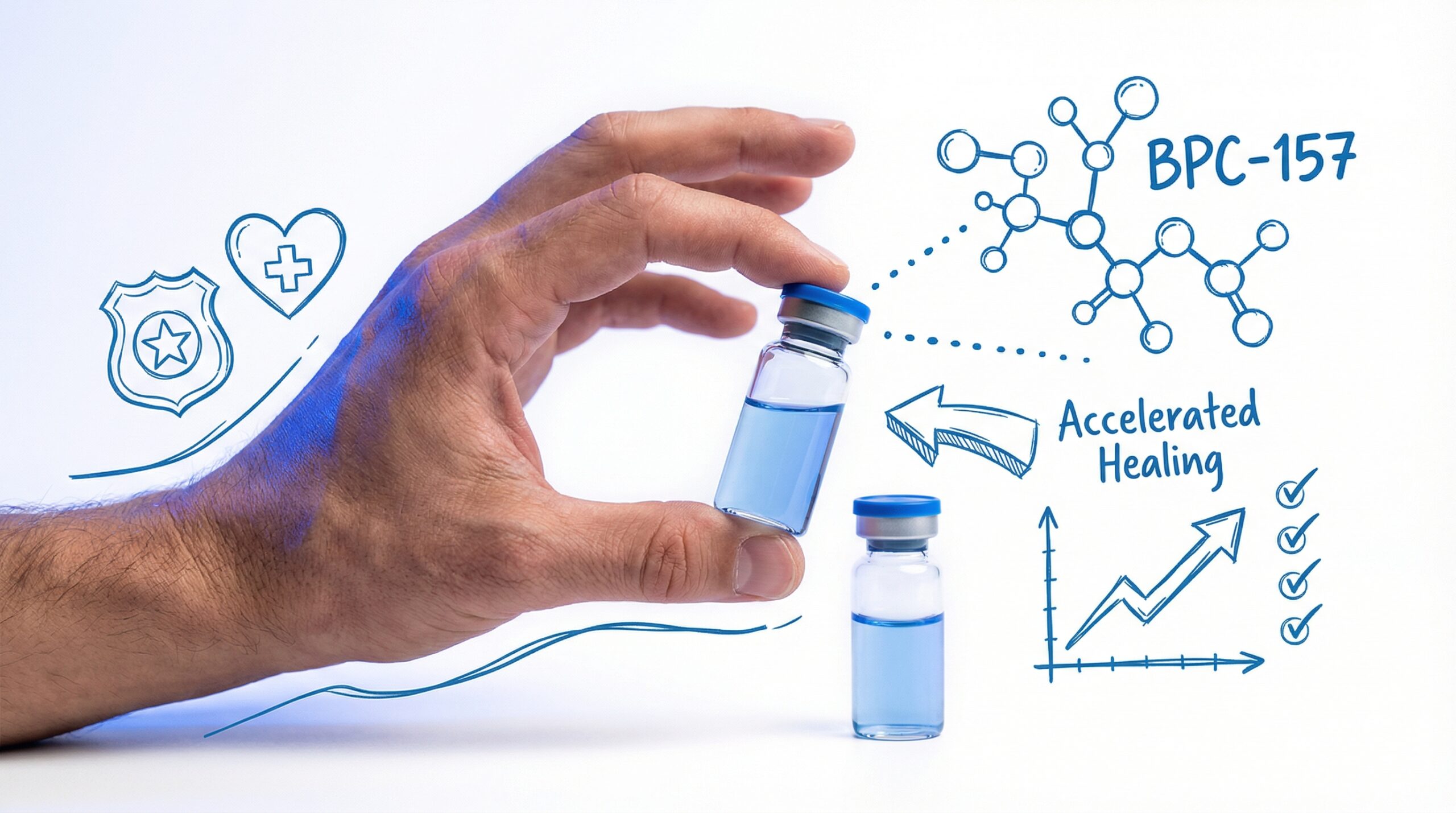
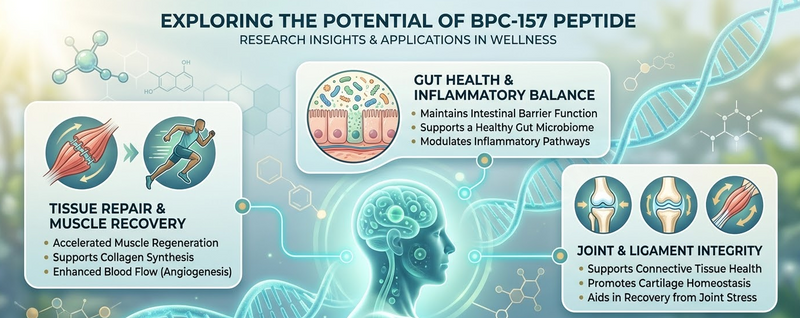
The blend is often linked with BPC-157 and TB-500, which are widely discussed in scientific and laboratory settings for their role in tissue-response and recovery-related research models