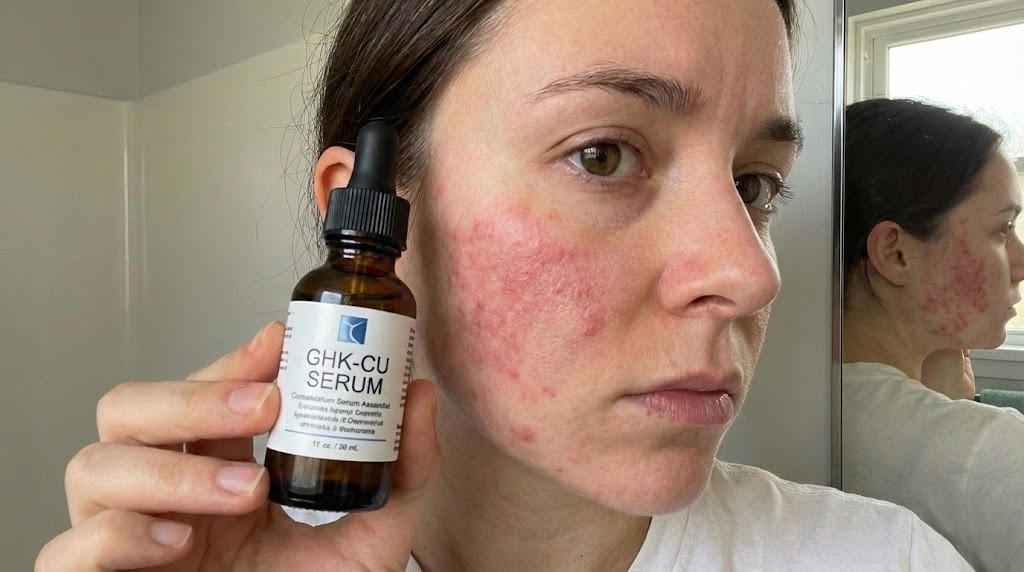
GHK-Cu peptide (Copper Tripeptide-1) is a synthetic tripeptide-copper complex referenced in peptide chemistry, molecular biology, and biochemical research literature
The vial format supports precise dose-response studies in cell-culture and animal models of NNMT inhibition and adipose-tissue metabolic regulation
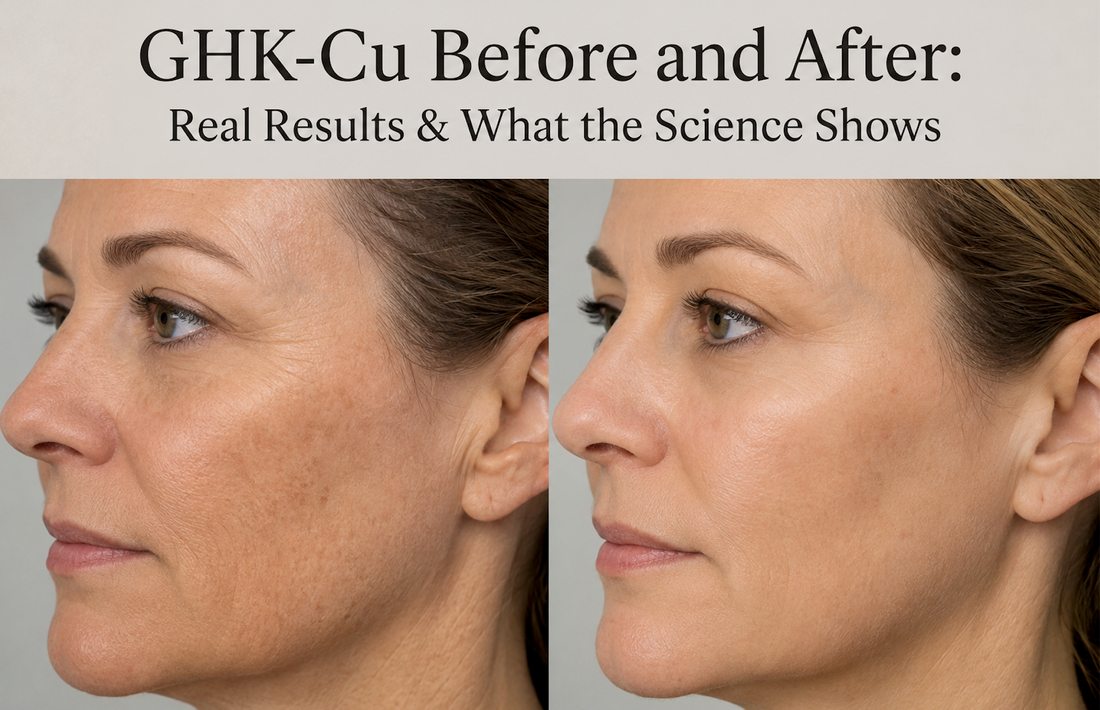
The Clinical Evidence Animal Studies (Compelling Foundation) Multiple animal studies have shown dramatic results: Rat tendon repair (2015 study): BPC-157 treated group: 87% functional recovery by day 14 Control group: 42% functional recovery by day 14 Treated tendons showed superior collagen organization and strength Rat ACL studies: BPC-157 accelerated cruciate ligament healing Improved biomechanical properties of healed tissue Enhanced recovery of motor function Systemic benefits: Improved gastric ulcer healing (origin research) Accelerated bone fracture healing Enhanced wound healing Human Clinical Data (Emerging) While human long-term trials are still limited, preliminary human studies show: Chronic tendinopathy cases: Improvements in pain and function Better ultrasound imaging of tendon structure Return to activity timelines shortened by 30-50% in pilot studies Post-surgical recovery: Athletes returning to training faster Reduced post-operative pain Better functional outcomes in ACL reconstructions (preliminary data) Safety profile: No serious adverse events in human trials to date Well-tolerated across multiple routes of administration No apparent systemic toxicity Important caveat : Human clinical research on BPC-157 is still in early stages
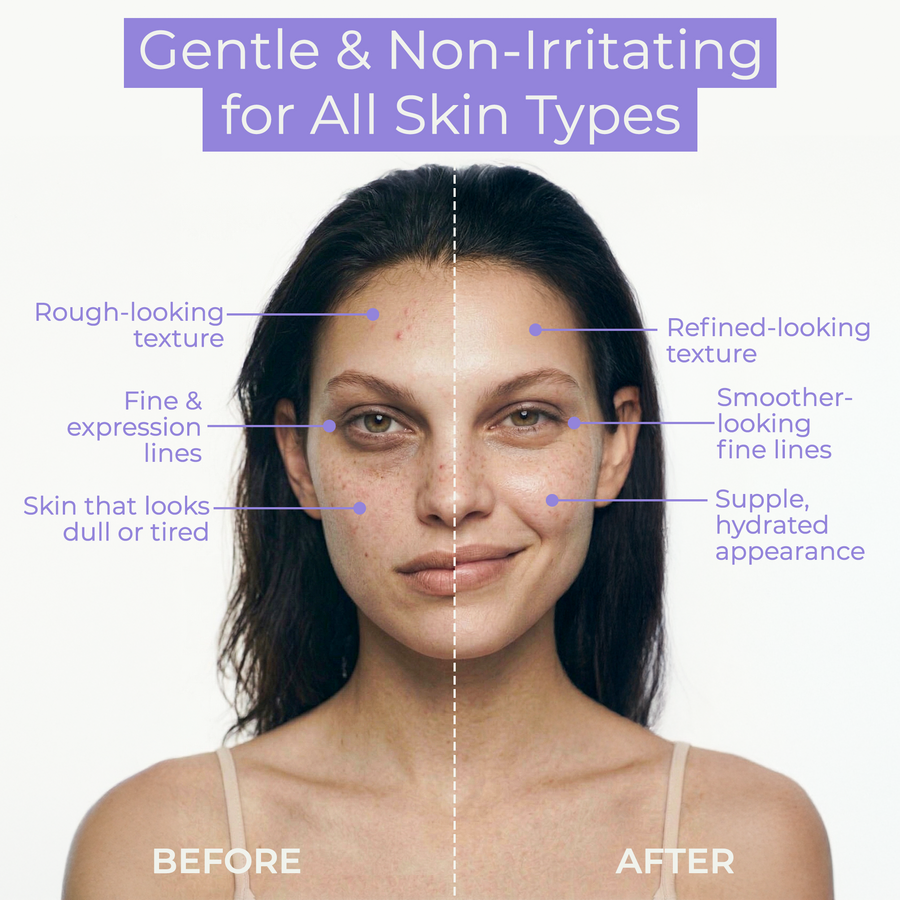
Strong healthy GI system support
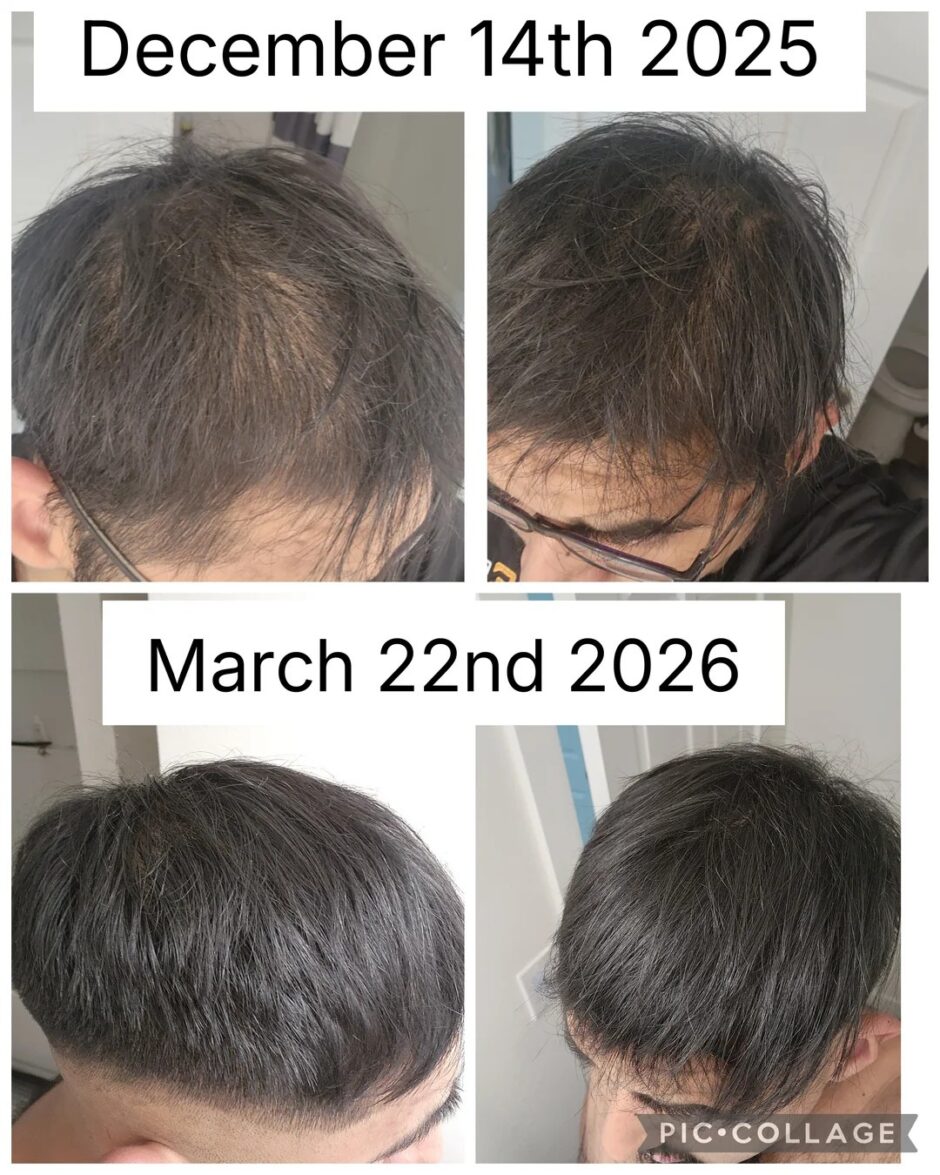
Delivery, Formulation, and Why It Complicates the Evidence A frequently overlooked reason the GHK-Cu hair literature is so muddled is that outcomes depend heavily on how the peptide is delivered and delivery varies enormously across the products and studies that generate claims
This is explicitly stated in Hospira's own labeling for their bacteriostatic water for injection product