For ensembles like symphony orchestras, I favor a uniform color scheme, like the one I touched on above - but, again, without the jackets and ties

The sleeve is a system, not one pattern piece Sleeve head volume: gathers or pleats at the cap Sleeve belly volume: the balloon area on upper arm Sleeve opening control: elastic or cuff that traps air Underarm mobility: enough ease so the wearer can lift arms Puff sleeve options I use in production The most important pattern measurements I control Sleeve cap height: drives puff height and arm mobility Bicep circumference: prevents tightness and seam strain Armscye shape: prevents pulling lines on bodice Cuff/elastic length: controls how much air stays inside Shoulder slope match: prevents sleeve from leaning forward A practical fit test I run on sampling Model raises arms to shoulder height and above head Model sits and reaches forward I check if bodice lifts or bust pulls I check underarm rubbing and seam bite I photograph front/side/back in motion, not just standing Common cheap look triggers and how I avoid them Too much gather with thin fabric I add structure or reduce fullness Puffy sleeve + wrinkly fabric I change weave or add finishing Narrow shoulder seam with big sleeve I widen shoulder and stabilize No lining in light color I add lining or use better fabric opacity How do fabric choices change the performance of a puff-sleeve A-line dress

Two 5'3" brides standing next to each other most likely have two completely different body types
No, this pattern is better suited for an intermediate sewist
* Black color does not change, as color options changes
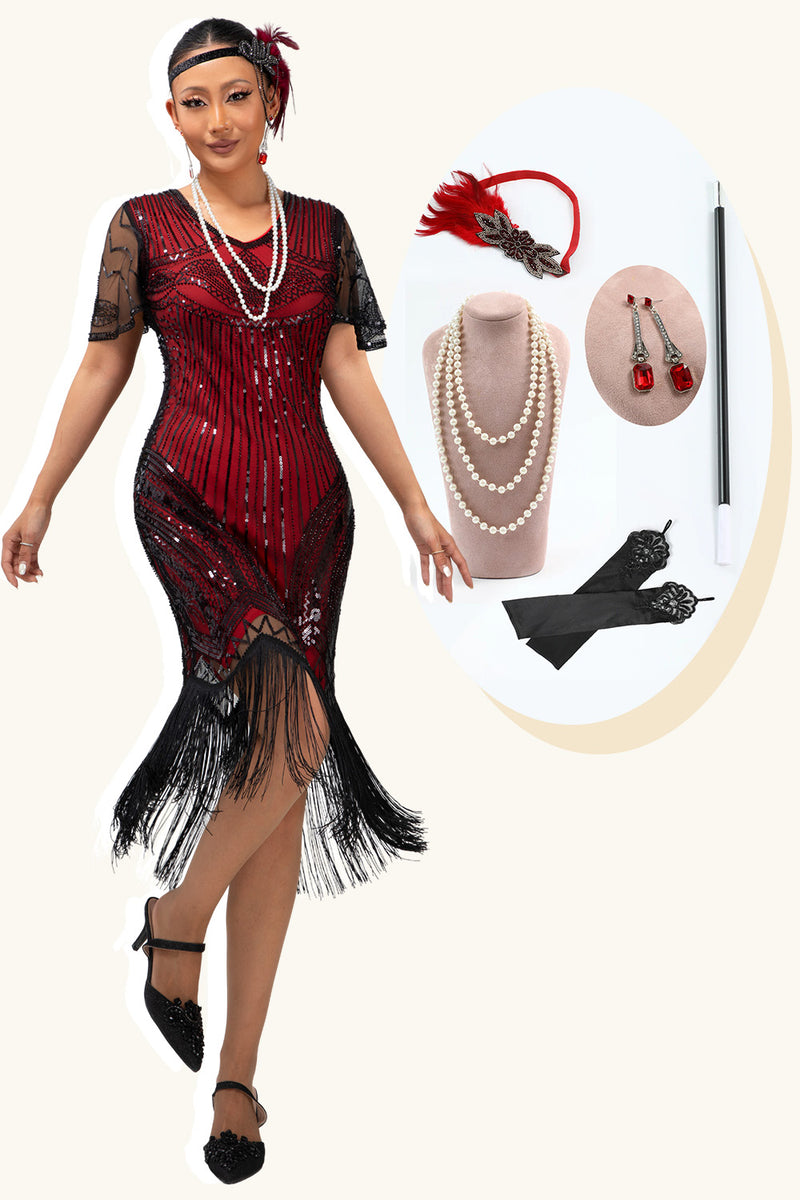
The best shoe colors to wear with a red dress are nude, black, gold, silver, white, beige, and matching red tones