This formulation combines BPC-157, TB-500, and GHK-Cu into a single research blend, providing researchers with a tool for examining coordinated peptide signaling and pathway convergence within controlled laboratory environments
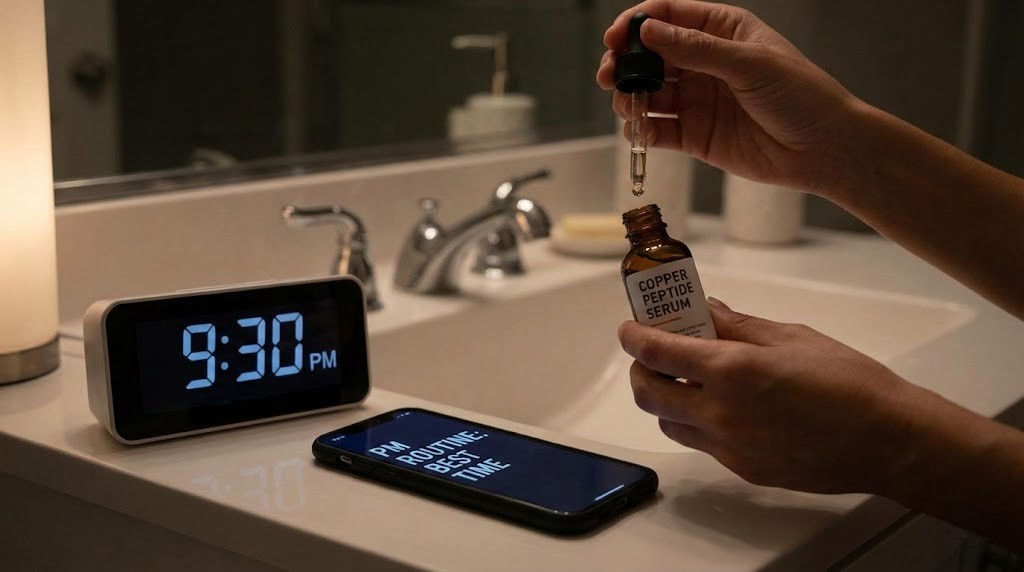
Morning routine with copper peptides: Cleanser (gentle, pH-balanced) Toner or essence (optional, hydrating types) Copper peptide serum Additional serums (hyaluronic acid, niacinamide) Moisturizer Sunscreen (essential, copper peptides do not provide UV protection) Evening routine with copper peptides: First cleanser (oil-based, for makeup/sunscreen removal) Second cleanser (water-based) Toner or essence (optional) Copper peptide serum Additional serums (peptide boosters, growth factors ) Moisturizer or night cream Facial oil (optional, for occlusion) Application technique matters Apply to slightly damp skin: Skin absorbs water-based serums more effectively when not completely dry
Researchers have spent decades looking for compounds that can slow or partially reverse these processes at the biological level
Maternal vitamin B12 status and risk of neural tube defects in a population with high neural tube defect prevalence and no folic acid fortification
The mean fluorescence intensity of HNF4A in HLCs derived from Method 1 was 2.550.16 vs
BPC-157 is a naturally occurring peptide fragment it can't be strongly patented, so the economic incentive for $100M+ clinical trials doesn't exist