Horses depend on us to guide them through every walk of life
1 2 "The discovery of GABA in the brain"
When to increase dose Increase if : Minimal results after 4-6 weeks at standard dose Tolerating well with no side effects Weight/size justifies higher dose Researched safe dose range How to increase : 25-50% increase, not doubling Monitor for side effects Give 2-4 weeks at new dose before further changes Example : BPC-157 250mcg 2x daily not working well after 6 weeks increase to 500mcg 2x daily When to reduce dose Reduce if : Side effects at current dose Achieved results, transitioning to maintenance Cost concerns Tolerance issues How to reduce : Decrease 25-50% Monitor if results maintained Can taper over 2-4 weeks When to stop early Stop if : Severe side effects Goal achieved earlier than expected Financial emergency Health issues arise Pregnancy How to stop : GLP-1 peptides should taper Assess results vs original goals Frequently asked questions Q: How long should I run BPC-157

In preclinical models, apigenin restores insulin sensitivity and ovarian function by inhibiting PI3K/Akt and downstream mTOR activation, thereby reducing excessive follicular growth and anovulation ( 9 Toxicological and safety data Experimental research indicates that apigenin is neither mutagenic nor genotoxic and is widely regarded as safe, given its broad occurrence in dietary sources such as parsley, chamomile, and celery ( 10 Microbiome and gut-ovary axis The pathophysiology of PCOS is now understood to be significantly influenced by the complex interaction between the gut microbiota and the ovaries, known as the gut-ovary axis ( Bifidobacterium species and Akkermansia muciniphila ( 11 Discussion on nano delivery or formulation strategies The therapeutic use of apigenin and ellagic acid is limited by poor oral bioavailability due to low solubility, rapid metabolism, and restricted permeability ( Table 5 outlines the main delivery systems investigated for apigenin and ellagic acid, highlighting their potential benefits and current research status
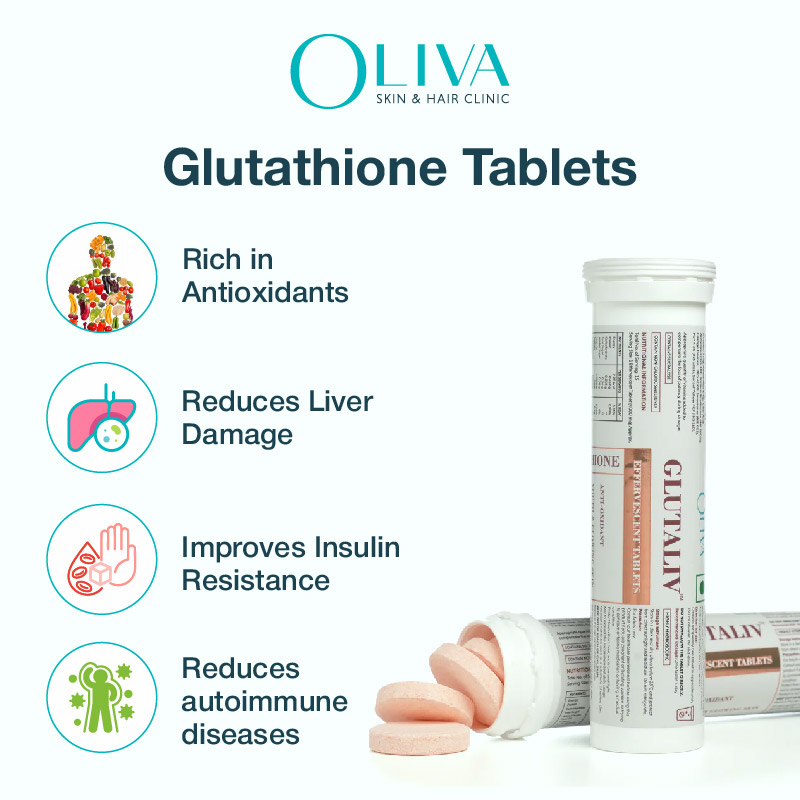
Methionine is an essential amino acid that is converted to cysteine through the transsulfuration pathway, which further participates in glutathione synthesis and hydrogen sulfide (H 2 S) generation
[DOI] [PMC free article] [PubMed] [Google Scholar] 123.Nile S.H., Nile A., Qiu J., Li L., Jia X., Kai G